Teaching Healing: MPI, CP4P Bring Trauma-Informed Care Training to Michigan CVI Professionals

Community Violence Intervention (CVI) professionals from across the state of Michigan recently came together for an intensive Trauma-Informed Care (TIC) Training, led by staff representing Metropolitan Peace Initiatives (MPI) and Communities Partnering 4 Peace (CP4P).
The full-day session, held in East Lansing on Tuesday, May 6, 2025, aimed to provide attendees with trauma-informed care practices and strategies to help them better serve their participants and communities.
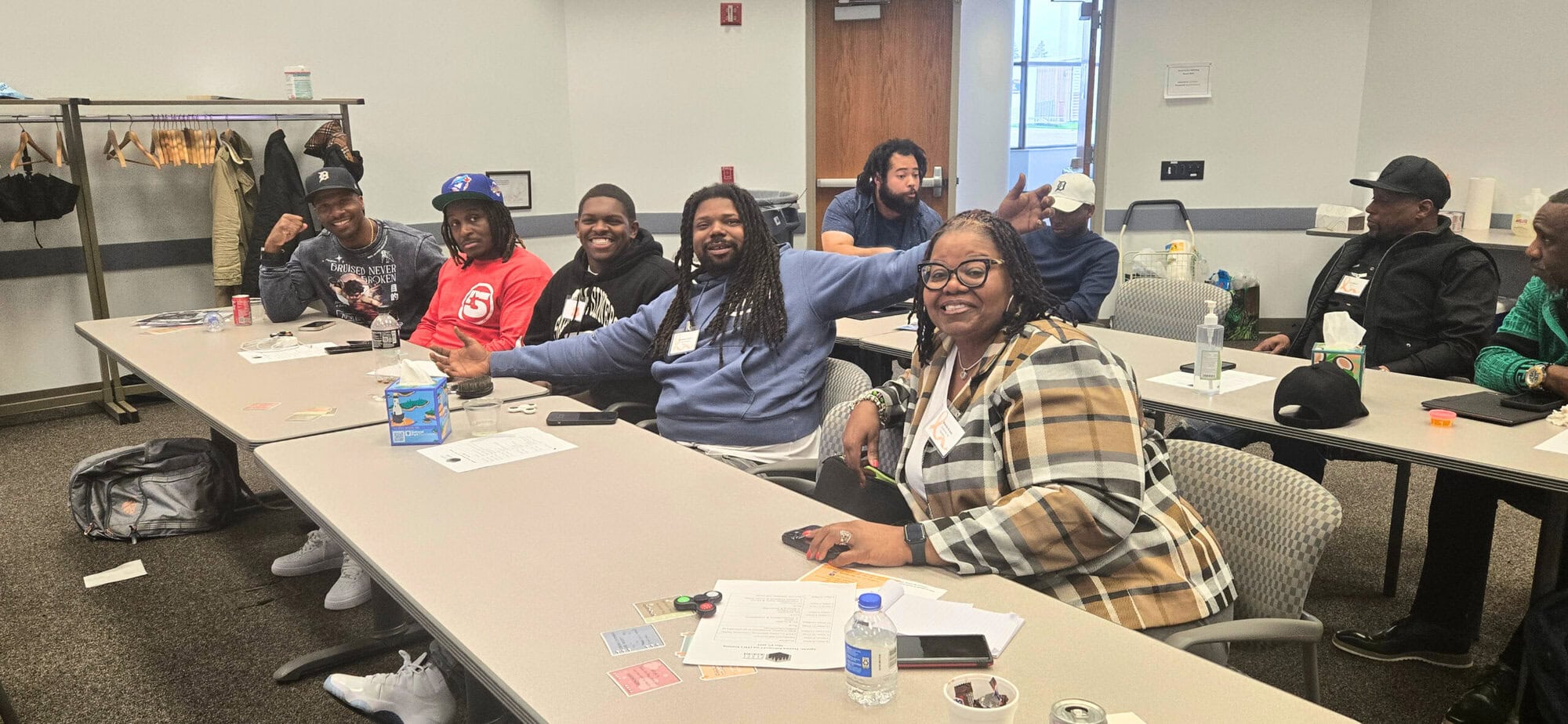
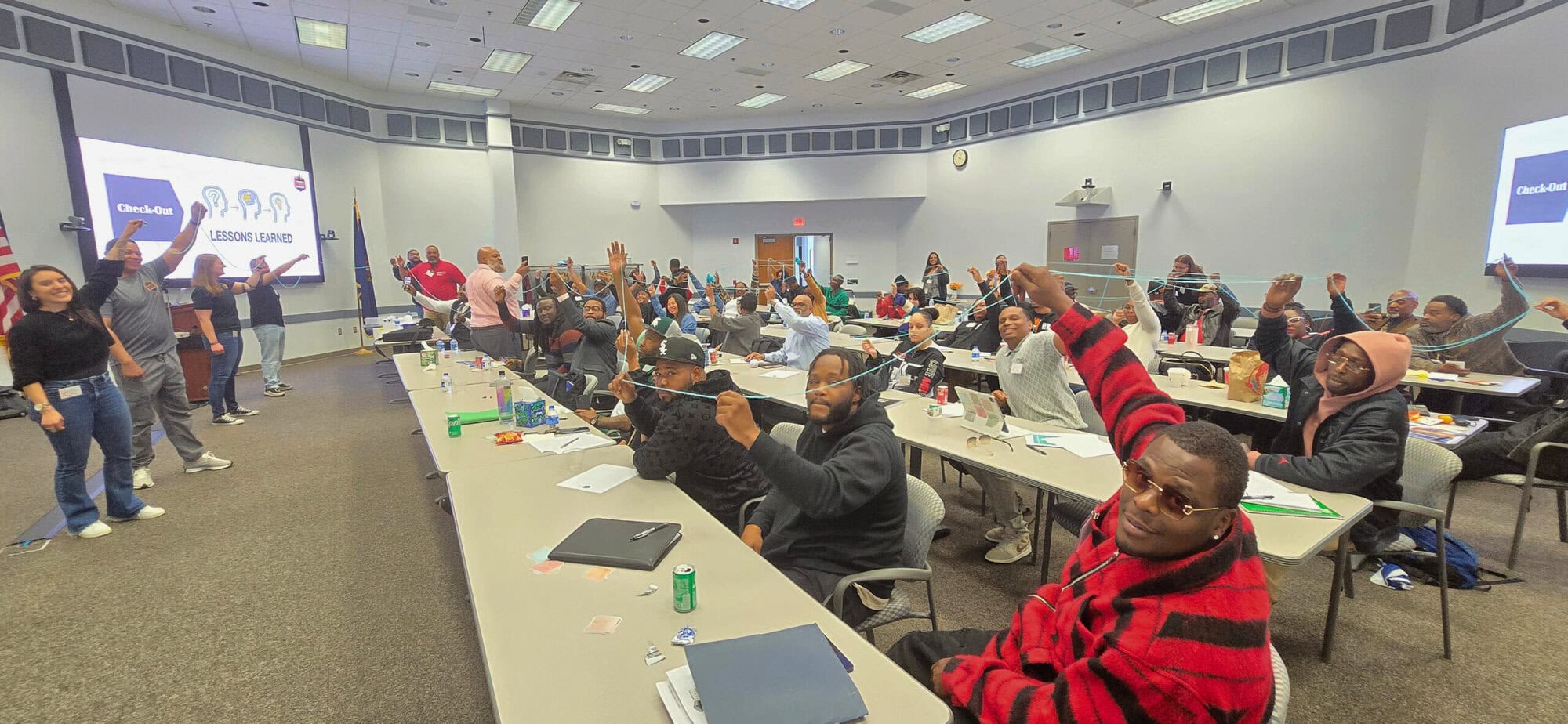
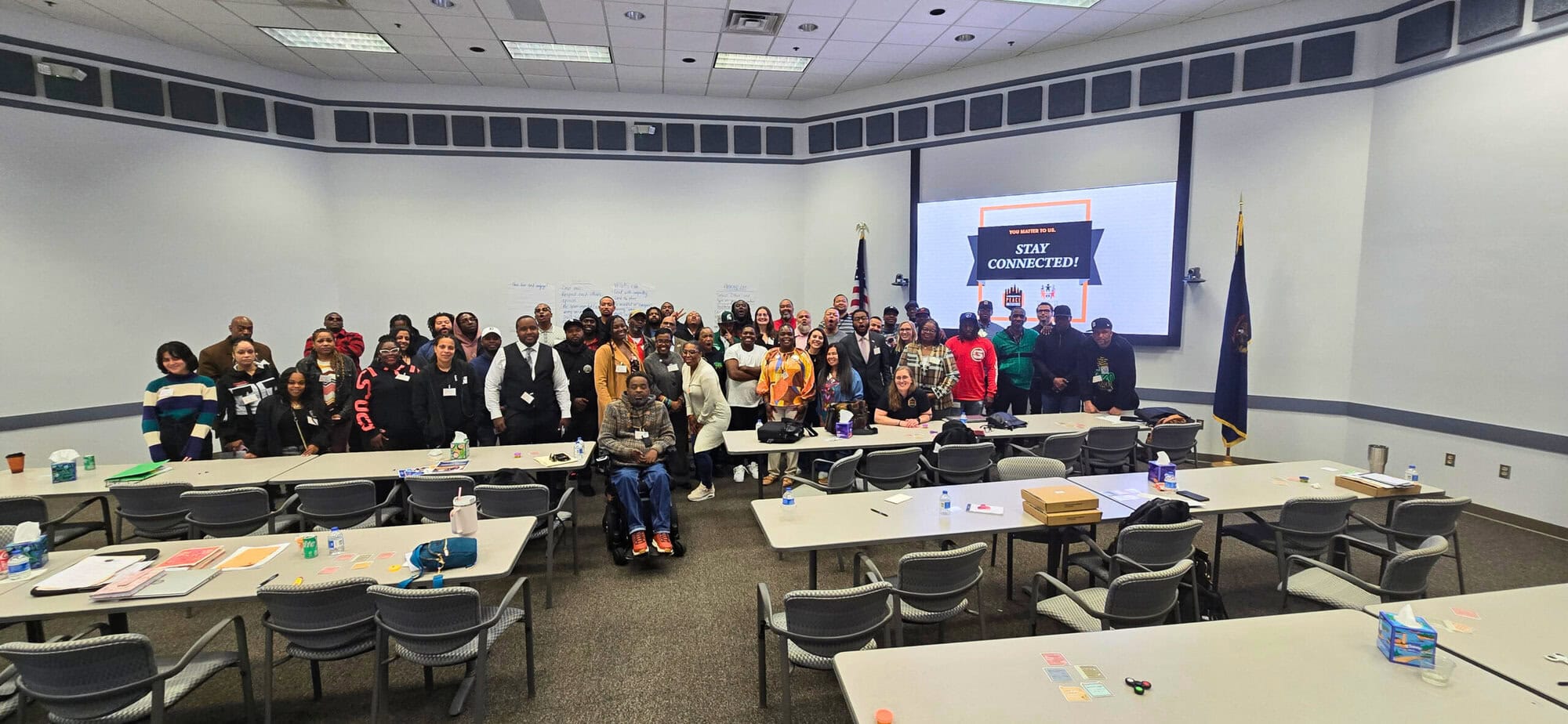
Convened by the Michigan Department of Health and Human Services (MDHHS), more than 50 professionals representing organizations from around the state sat ready and engaged as they learned the principles of trauma-informed care and shared insights on what’s happening in their neighborhoods. Instructors for the day included MPI Bilingual Clinical Program Supervisor Maria Camacho, Field Manager Charles Decuire, Bilingual Community Behavioral Health Specialist Amelia Vojt, and Southwest Organizing Project (SWOP) Senior Case Manager Armando Mancilla.
They opened the session by checking in with attendees and establishing norms, which helped to build connection, openness, understanding, and respect among the group. They then took the time to define the clinical meaning of trauma (the experience of an event that is emotionally painful or distressful, which often results in lasting mental and physical effects), and allowed attendees to also put the term in their own words.


The training was guided by the six principles of trauma-informed care, which include: Safety; Trustworthiness and Transparency; Peer Support; Bonding and Partnership; Empowerment, Voice and Choice; and Cultural, Historical, and Gender Issues. Throughout the day, instructors went in-depth with each principle, providing tools and strategies that attendees could take back to their respective organizations. Attendees also shared their own tactics through small breakout sessions, hands-on activities, and larger group discussions.
“A lot of us here are experts in trauma—whether through lived experience, through direct service, or both,” Mancilla said. “[…] When we’re looking at these crises, we have to be that calm in the storm. We have to come in with a different lens. The trauma-informed approach helps create that critical lens. I might be across from somebody with a different background or a different way of life, but my mission is to see what common ground we can find.”
Whether directly or indirectly, trauma is something that everyone has experienced at varying levels. But it is those at the center of this healing work who have the power to truly empathize and support the growth within their participants.
“A lot of us have been thrown away or counted out, but everybody in here can be restored,” Decuire said. “We do the same thing with our participants. They’ve been cast out, thrown away, and marginalized. They’re dealing with trauma, dealing with losses, and dealing with hopelessness. But, we help restore them. […] Doing this work is absolutely necessary.”



Camacho added, “When we teach trauma, teach healing. Because trauma lasts, but healing can outlast. We can be the interrupter [for] intergenerational healing. If you’re going to teach one, teach the other. You don’t want to let people walk out limping. You want them to walk, whole.”
Vojt drove home the point that it takes patience and sensitivity to provide care to those dealing with trauma. There’s a delicate balance in establishing trust with participants, and it doesn’t happen over a session or two.
“We’re not expecting anyone to trust us right away. Brick by brick, we have to bring those walls down with care. It’s a slow process. We establish healthy boundaries and we can get to the point where [our participants] do have those walls down,” Vojt said. Even better, she added, is when those “walls” turn into accessible “gates” and participants have the agency and tools to work through their trauma.
As the day wrapped, participants expressed their gratitude for the training, noting that the instruction was relevant, informative, and necessary. Bishop Daryl Harris, founding pastor of Total Life Christian Ministries and Faith-based Coordinator at Ceasefire Detroit, said he especially appreciated the opportunity to gain new insights and to connect with those in the CVI network.
“I got a great perspective on the power of unity. [This training] really validated the work that each of us are doing in our spaces,” Bishop Harris said. “It’s powerful knowing that, coming from Detroit, if there’s an issue in Pontiac, now I know someone. If there’s something happening in Flint, now I know someone.
“I want to bring back the power of collaboration and unity.”