
Fourth of July in Chicago Sees Historic Decline in Violence
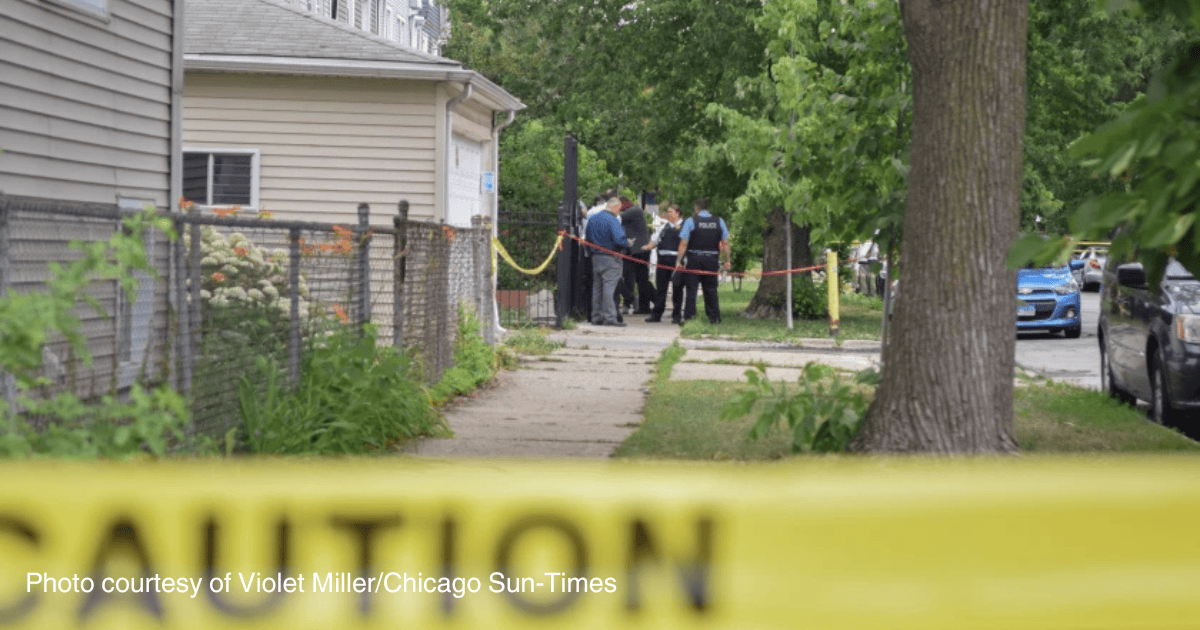
Despite mass shooting incidents throughout the week and over the Fourth of July holiday weekend, the number of homicides, injuries, and shooting incidents in the city of Chicago saw a historic low compared to a peak in the summer of 2021, according to a new report published by the Chicago Sun-Times.
A preliminary report pulled from the Chicago Data Portal shows a preliminary count of 58 shooting victimizations from Thursday, July 3 to Sunday, July 6, 2025, a sizable reduction from previous years.
New data from the Chicago Police Department (CPD) and the Cook County Medical Examiner’s Office also revealed declines in violence trends in the first half of 2025. According to the Medical Examiner’s Office, there were 192 homicides in Chicago from Wednesday, January 1 of this year through Monday, June 30. This indicates the lowest number of homicides in Cook County in the first half of the year since 2015.
In a Community Safety Midyear Update with Mayor Brandon Johnson, CPD reported a 32.7 percent decrease in homicides, with 40 percent fewer shooting victims so far this year.
Efforts to enable such a decrease in violence included the increased presence and extended hours of street outreach workers and Community Violence Intervention (CVI) professionals in higher-risk areas throughout the city.
Rodney Phillips, Associate Director of the Crisis Prevention and Response Unit (CPRU) at Metropolitan Peace Initiatives (MPI), spoke with ABC-7 Chicago ahead of the holiday, sharing, “For us, as the Crisis Response Unit, we’ll be paying attention and monitoring our hotspots. We understand the task and what we’re up against.”
MPI Executive Director Vaughn Bryant, responding to the new data, said “Our street outreach teams showed up relentlessly for our neighborhoods this past holiday weekend. This historic decline in violence isn’t a coincidence but an outcome of a coordinated investment to add Community Violence Intervention to the Chicago Public Safety ecosystem. This data affirms that when we scale evidence-based strategies, lives are saved.”