CVI Professionals Provide Strength and Support to Incarcerated Women’s Group


At the Institute for Nonviolence Chicago (INVC), a dedicated team of CVI professionals are instrumental to providing life-changing care and resources to individuals incarcerated in the Cook County Department of Corrections (CCDOC).
But it’s the RESTORE program that hit a soft spot for facilitators, specifically the women on the team, who each bring their expertise and lived experiences to provide invaluable support to some of our most vulnerable community members.
RESTORE (Rehabilitation Engagement Supporting Therapeutic Outcomes of Renewal and Empowerment) provides a slew of resources to incarcerated women, including workforce development, nonviolence training, meditation sessions, case management, mental health care, motivational speeches, and more.
The program also supports female inmates’ families and helps inmates reenter their communities once they’re released.
Connecting community to hope
On the recent one-year anniversary of the RESTORE program, the group hosted a celebration and brought in food from outside into the facility. INVC Case Manager Se’Keena Louis recalls the event fondly, stating, “They absolutely loved it. It felt so good just to be able to give them a little bit of the outside on the inside.”
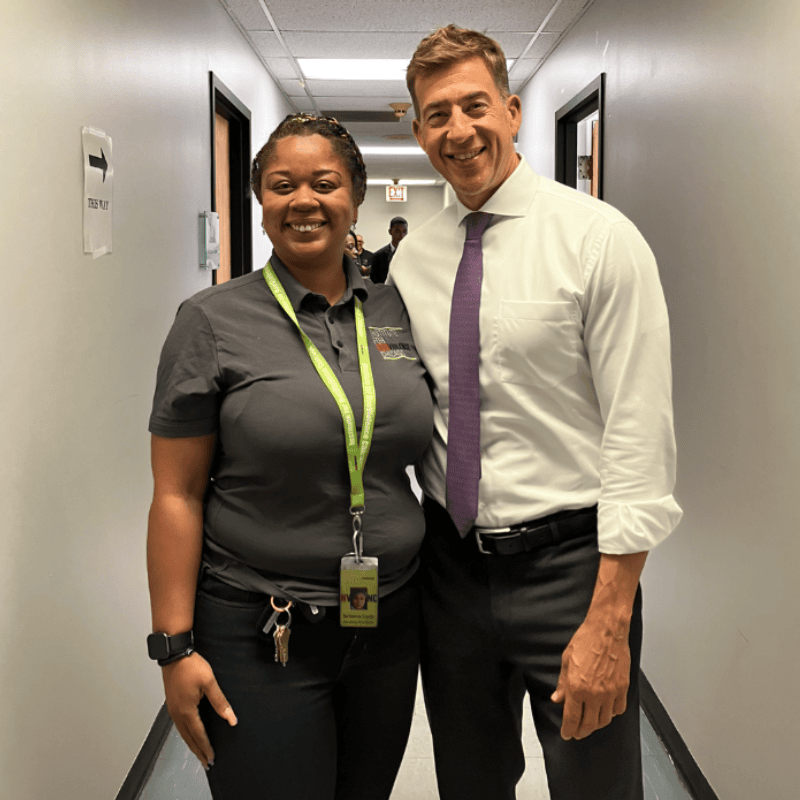
From an early age, Louis became a source of strength and wisdom for her family members who experienced repeated incarceration. “Every time my brothers came home, I was always looking for resources for them,” Louis says. But like any case manager knows, change takes time, and her brothers remained connected to their life on the streets. “I was like, if I can’t help my brothers, I need to help somebody.”
In her work and in the RESTORE program, Louis connects high-risk women and their families with life-saving resources and services provided by INVC. She explains, “I hold [their] hands through their life events, helping them make decisions, advocating for them, [and] navigating getting their life back on track.”
Sheree Davis coordinates INVC’s F.L.I.P. (Flatlining Violence Inspires Peace) program, which allocates outreach workers to hotspots of violence across the city.
But her work in the RESTORE program is especially important to her. To RESTORE, Davis brings her passion for violence intervention and reentry, and her experience as a former correctional officer, to the female inmates. “I talk to them about coming back and connecting with family and how to talk to their kids when they come home,” Davis says. “We tell them there’s stuff out there for you to do, you don’t have to go back here.”
Consistency is key
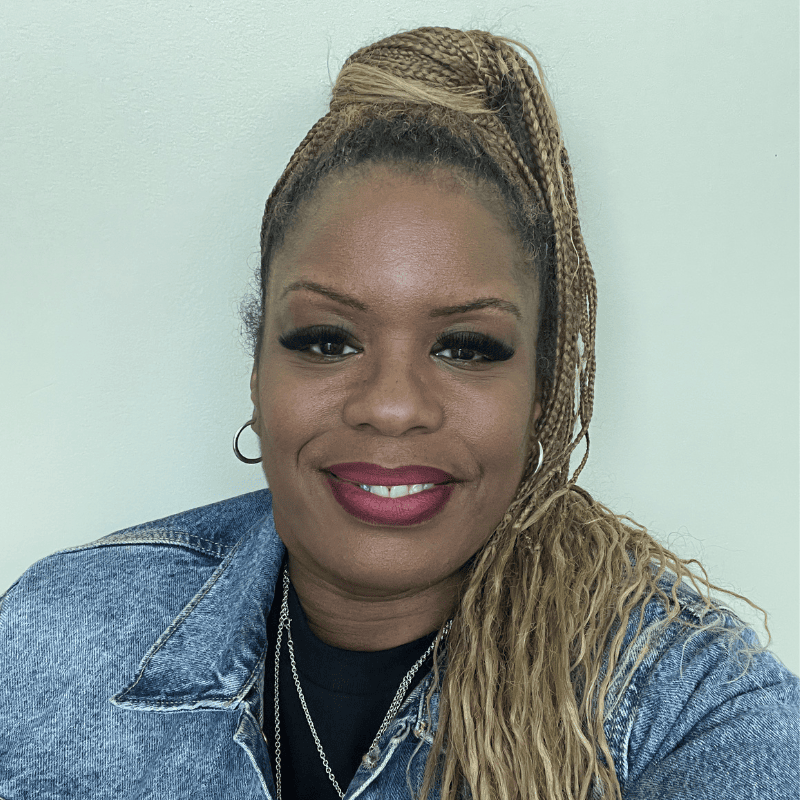
Like Louis, this work is deeply personal to INVC Case Manager Aviance Rainey, who has early memories of visiting her father in prison. “Jail is traumatizing. I remember […] just sitting in those dark, dank waiting rooms, being searched,” Rainey recalls. She didn’t even consider returning to a prison until she became involved with INVC; she says this is an expression of how much this work means to her.
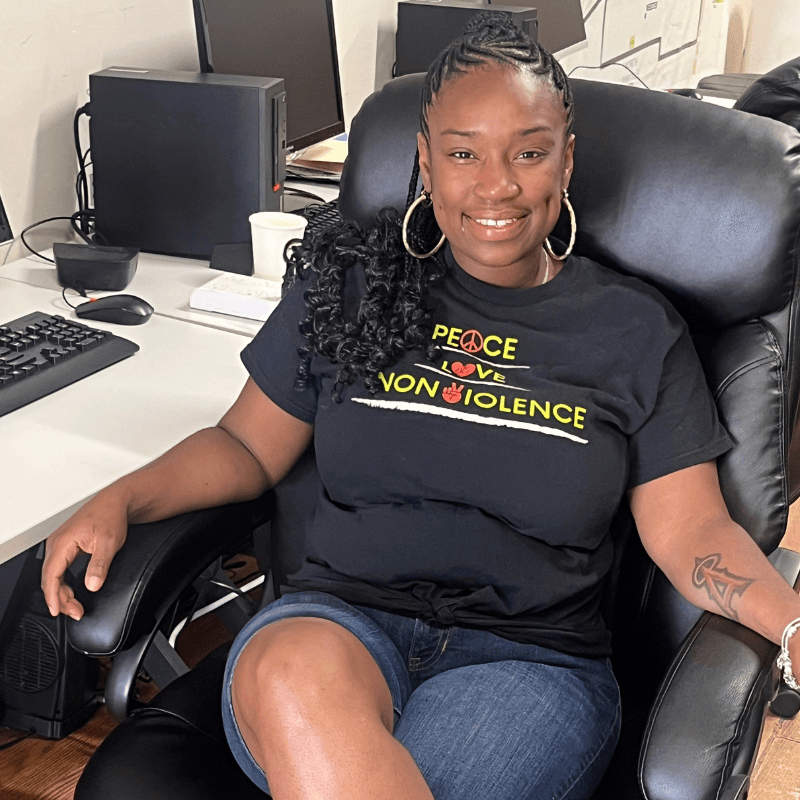
“In our organization, we have a lot of people who are justice-impacted who work for us. For [the inmates] to see and hear those stories of people who’ve been sitting in those same seats, and been in your shoes, that gives them hope and motivation,” Rainey explains. She emphasizes the wraparound nature of the program, stating, “We even accompany them to court if they need us to, write letters to the lawyers and judges.”
What’s key to the success of the RESTORE program is relationship building. Patricia Hillard, the only woman on the INVC Outreach team, says that consistency, showing up every week, is essential to gaining the participants’ trust.
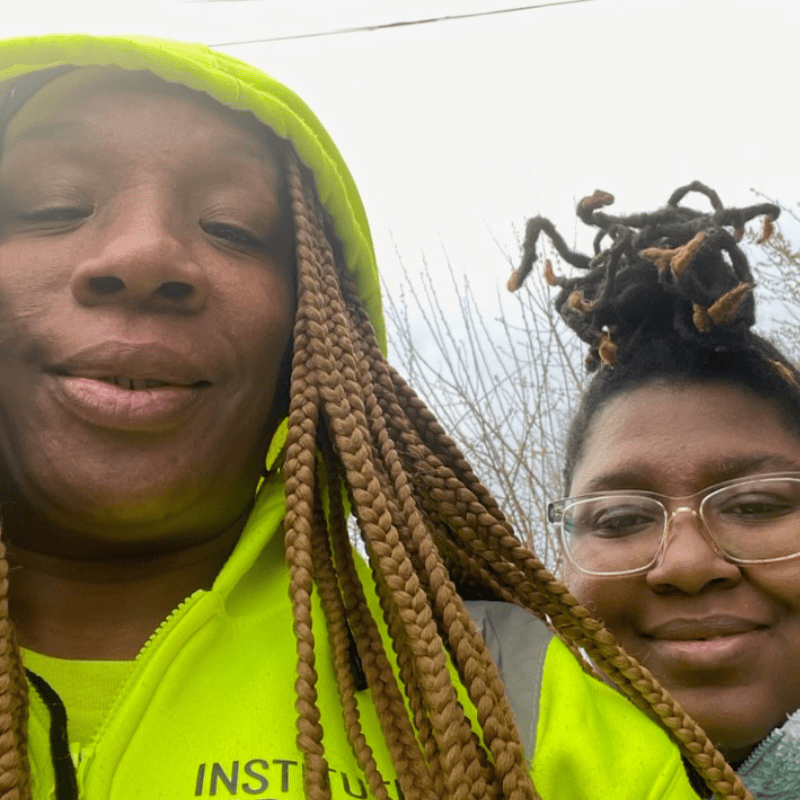
“You can’t just pop in here on these people,” Hillard says, adding that her approach to building trust comes straight from the heart, as she shares stories from her own experiences with incarceration and gun violence. “My life is an open book. I tell my story to them, I don’t dress it up or make it pretty. And they feel open to ask me anything.”
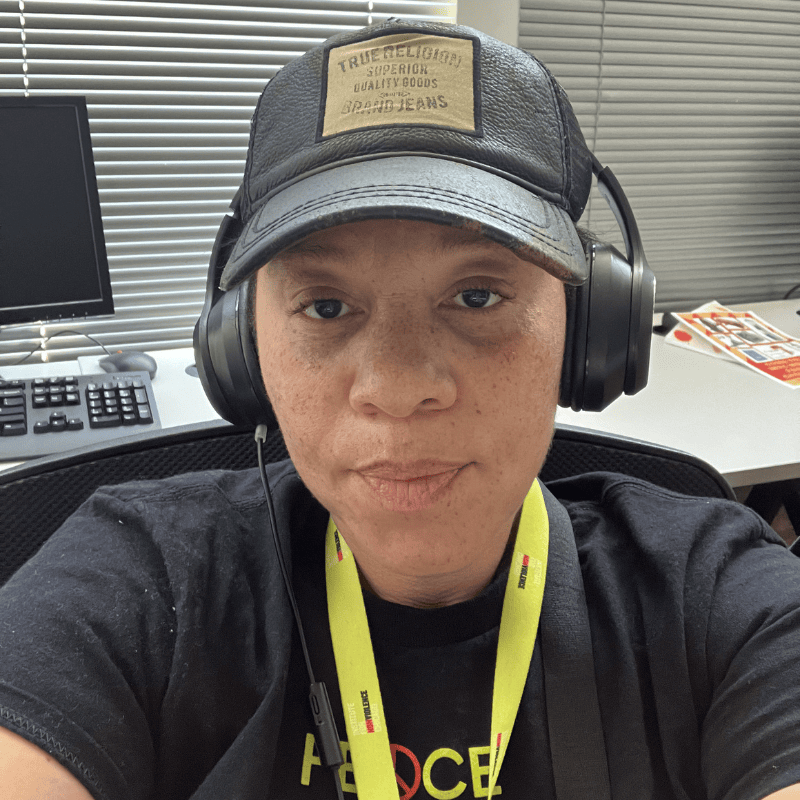
INVC Victim Advocate Shannon Johnson says her favorite part of the program is how it humanizes the women, who are far more intelligent, peaceful, and motivated than any stereotype would otherwise paint. “[The program] gives them time to come out of that room where they’ve been in 24 hours. It gives them time to open up, to talk to somebody. It gives them a vision of hope for the end of the tunnel,” she explains.
Facing challenges
But for all the good the RESTORE program brings, it also underscores a painful truth: the life-saving services meant to support these women failed to reach them until after they were locked up. Many of the women in the program are incarcerated for circumstances related to domestic violence, often for protecting themselves from harm. The program has adapted to support these needs, offering healing, education, and tools for recovery.
“A majority of the ladies that are in there had situations where they had to react in a harmful and deadly way to protect themselves, and the justice system failed them outright,” Louis explains.
The cruel reality, though, is that incarceration became the gateway to services that should have been available all along. “They [law enforcement] intervene after something bad happened, instead of placing the proper boundaries and systems in place to protect those women so they wouldn’t be sitting in jail, away from their families,” Louis says.
That’s exactly what makes the RESTORE program and Community Violence Intervention (CVI) initiatives so effective, and such a vital part of Chicago’s public safety plan: CVI programs serve as a vital intermediary, filling the gaps and reaching people who need the support the most.
RESTORE incentivizes good behavior, and though not everyone makes it through smoothly, those who receive infractions are later invited back into the fold, and the program is open to participants as long as they’re incarcerated. The program leaders say the hardest part is getting participants to change their mindsets away from punishment and toward rehabilitation and restorative justice.
Johnson often reminds participants, “Don’t let this be a waste of time. People get complacent being in there, because they see it as a punishment. I said, just look at it: You got time off the streets, with no distractions, so you’re able to […] line your stuff up so when you go out there, you’re not back into that same cycle.”
Shining a light
It’s a tough job for the program leaders, especially as women who have had to be incredibly resilient throughout their personal lives and as CVI professionals.
“Sometimes women get pushed to the side, or we have to sit in the room and be quiet and just listen and let the men do all the talking, because community violence affects mostly men,” said Louis.
“We know that it affects men more because they’re actually driving the violence, but they don’t understand it affects women too. We still have to provide for the household, we still have to provide for the community. We still have to be some form of nurturing to those around us.”
She emphasizes that women are also victims and perpetrators of community violence, and that they are just as instrumental to solving the issue as men are.
Rainey echoes that sentiment. “We’re always the backbone of everything. But of course, the light doesn’t shine in the back. We’re just in the shadow.”
Despite this, Johnson says, “I’m speaking up for everybody. Baby, we’ve been out here, boots on the ground.”
The strength of a woman
Even with its challenges, the group of INVC women each say working in the RESTORE program brings them satisfaction, joy, and hope for the community.
“It really shows me the strength of a woman,” said Davis. “They can still smile […] they can go to court and just been sentenced 50 years, and they’ll still be happy to see us on a Wednesday. That’s a big thing. It shows they have a need to be met.”
“This program helped prioritize my mental wellness and form better habits,” said one participant. “Now, that will keep me free wherever I am.”
Metropolitan Peace Initiatives is proud to celebrate the lives and work of women in community violence intervention (CVI). Read more stories here.