Chicago Community Violence Intervention (CVI) Leaders, Public Officials Give Update on CVI Scaling Efforts Amid Historic Declines in Gun Violence
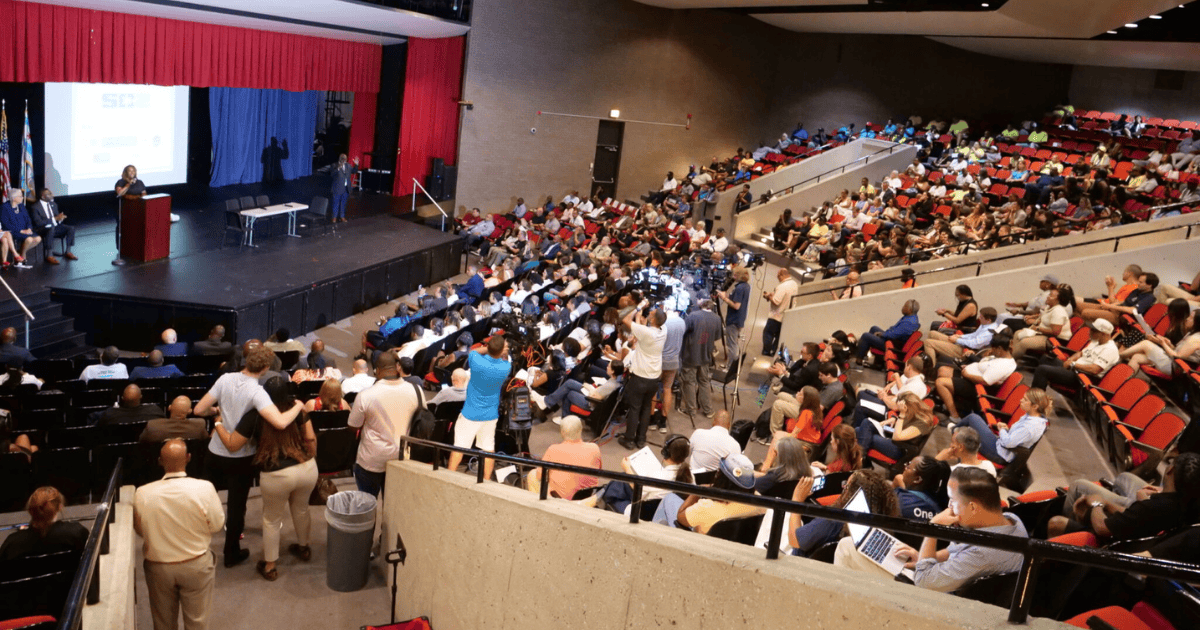
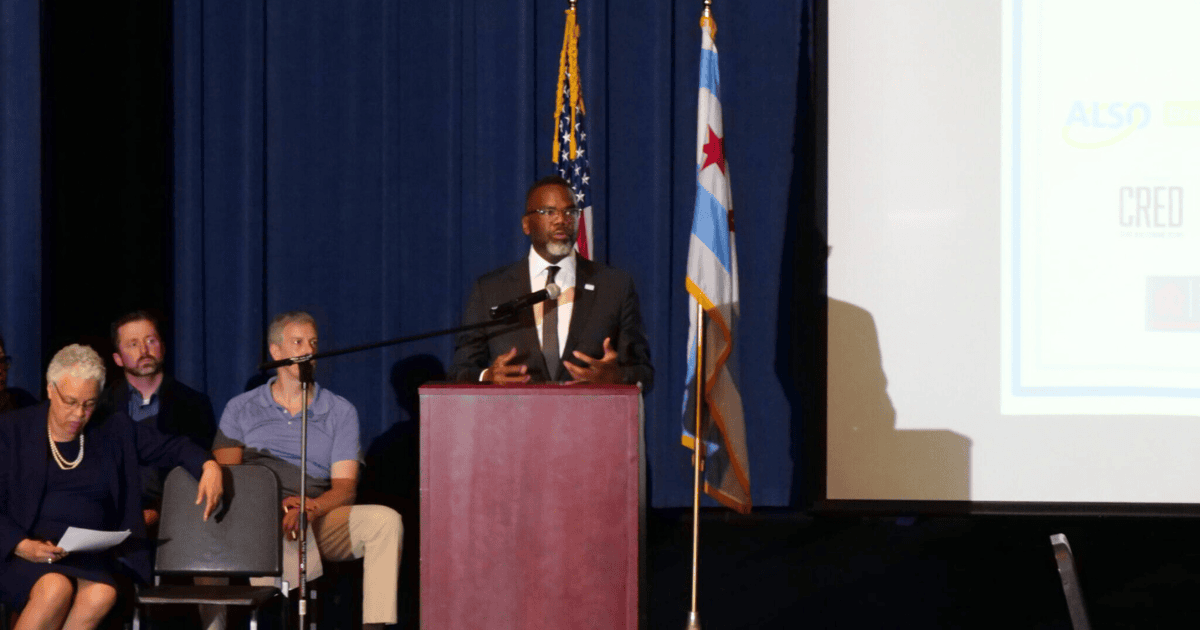
As Chicago experiences a historic decline in gun violence, Community Violence Intervention (CVI) leaders, public officials, and funders gathered at Farragut High School in Little Village on Tuesday, July 15, 2025 to provide updates on the latest CVI scaling efforts taking place across the city.
The “Scaling Community Violence Intervention for a Safer Chicago” or “SC2” initiative continues to take shape as CVI programs are now “scaling up” to serve 75 percent of the individuals most at risk of shooting or being shot in North Lawndale, Austin, Humboldt Park, and Little Village. In these four communities, SC2 is currently serving an additional 1,000 high-risk individuals.
Three additional communities are in the pipeline, including Garfield Park, New City, and Englewood. Under the initiative, CVI programs now serve nearly half of Chicago’s 77 neighborhoods.
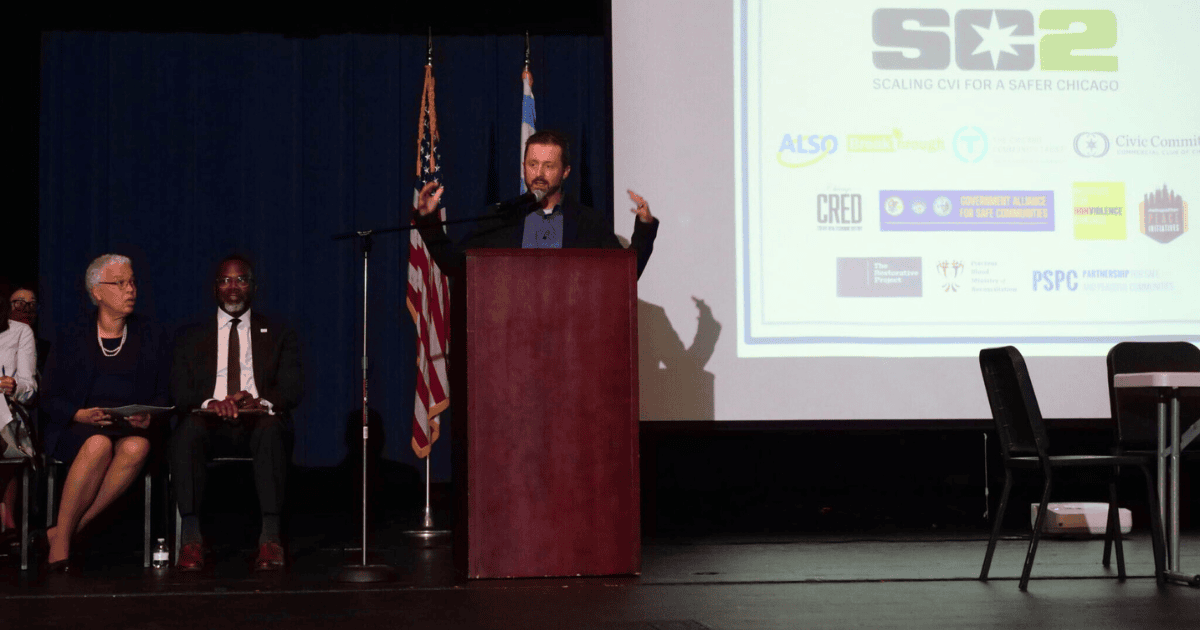
Matt DeMateo, CEO of New Life Centers, which serves Little Village, shared how he’s seen firsthand how the SC2 initiative has helped curb gun violence in the neighborhood. While Little Village experienced a surge in gun violence in 2024, the area has seen an 80 percent drop in gun violence this year.
“Today is about celebration. Today is about celebrating people, peace, hope, empowerment, and opportunities,” DeMateo said. “Today is about the belief that peace is possible in Chicago.”
Still, all those involved are hesitant to take any victory laps over recent successes; they understand that there’s more work to be done.
“Building peace is not easy. We’ve lost too many lives in Chicago,” DeMateo said before leading a moment of silence for gun violence victims across the city. He specifically made note of the mass shooting in River North on July 2 that claimed the lives of four individuals.
First announced in February 2024, SC2 is a coordinated effort between CVI groups, philanthropic, business, and government leaders with the shared goal of reducing gun violence across Chicago. The communities served were chosen based on rates of violence and in consideration of geographic and racial equity.
The initiative will continue to roll out over the next decade with funding from the public and private sectors. Last year, the Partnership for Safe and Peaceful Communities and the Civic Committee of the Commercial Club partnered to raise $100 million in support of SC2.
Cities all across America have invested in CVI programs with the goal of keeping their streets safe, however, Chicago has taken a slightly different approach by embracing cross-collaboration at all levels and areas of expertise.
“This scaling effort is only possible because of the extraordinary level of collaboration among the public and private sectors and the community,” said Susan Lee, Executive Director of SC2 and Chief Strategy and Policy Officer at Chicago CRED. “Collectively, we are building a model for public safety that empowers community organizations, complements traditional policing, and should be a permanent fixture of Chicago’s public safety strategy.”
A key partner in that public safety model is Metropolitan Peace Initiatives (MPI), which convenes 15 community-based organizations serving 28 Chicago neighborhoods through Communities Partnering 4 Peace (CP4P). The coalition provides services such as street outreach, case management, victim services, behavioral health, workforce development, and legal aid to individuals at highest risk of experiencing gun violence.
MPI Chief Program Officer Domonique McCord noted that keeping Chicago safe is a tall task, but one her organization and its partners are equipped to handle.
“We all know the stakes. Last year alone, more than 2,800 people were shot in Chicago, and over 500 lost their lives to gun violence. But here’s something else that matters: in neighborhoods where CVI is deeply embedded, shootings have gone down,” McCord said.
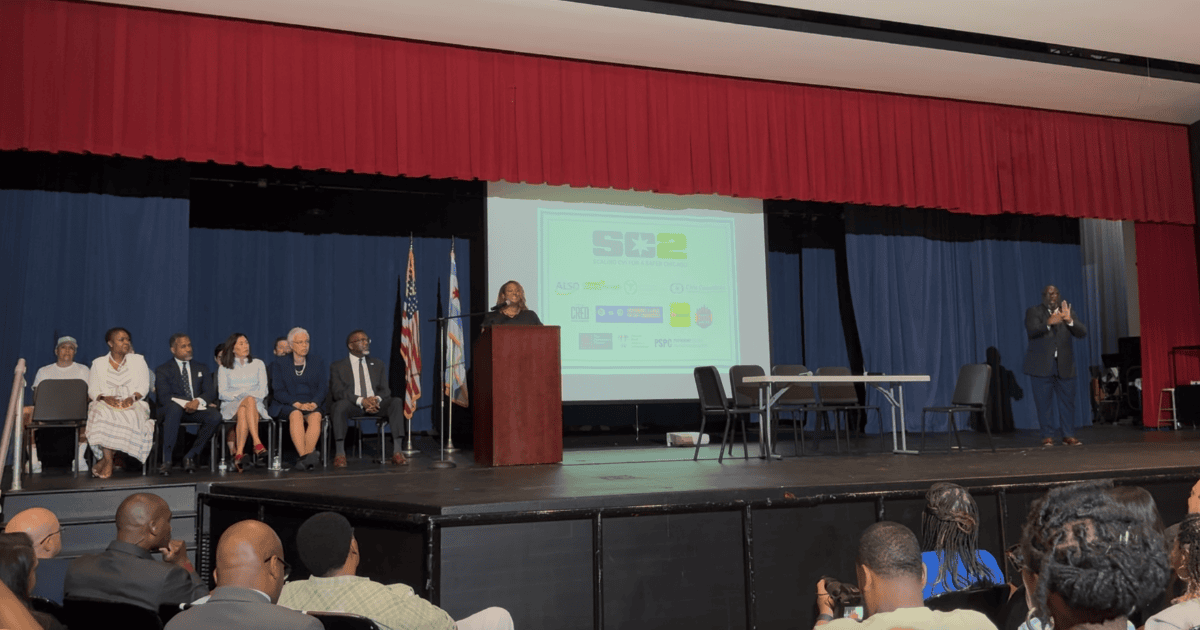
“In some CP4P communities, we’ve seen reductions in gun violence as high as 40 percent over multi-year periods. That’s not luck — that’s investment, strategy, and trust built over time.”
Among those also in attendance at Tuesday’s event was Mayor Brandon Johnson, who expressed his gratitude for the citywide partnership that has helped chip away at the number of shooting incidents across the city.
“Thanks to our partners in law enforcement, the CVI sector, private funders, as well as our work to address root causes by investing in people, Chicago has seen a stark decrease in violent crime during the first half of the year,” Mayor Johnson said. “While we are on the right track, our work to prevent violence and bring down crime is never done.
“Backed by the full force of government, we will continue to show up across Chicago as we work every day to build the safest, most affordable big city in America.”
According to the city, gun violence has been down for six of the last eight years. Through mid-July of this year, all shootings — fatal and non-fatal — are down approximately 41 percent, and homicides are down approximately 31 percent.
The support for CVI reaches far beyond the city limits. Elected officials across the State of Illinois have praised the efforts of community groups and the SC2 initiative, noting that the resources provided save lives and create new pathways toward change.
In a statement of support, Governor JB Pritzker said, “Community violence intervention programs have had a transformational impact on our neighborhoods — saving lives, creating jobs and opportunity, and making residents feel safe and secure. I’m proud to join advocates and law enforcement in celebrating that progress and look forward to expanding these programs as part of a new vision for a safer city and state.”
Before the program came to a close, DeMateo was joined by the Institute for Nonviolence Chicago (INVC) Founder and CEO Teny Gross representing Austin; Alliance for Local Service Organizations (ALSO) Director of Safe Streets Jose Pizarro representing Humboldt Park; UCAN Senior Vice President Dr. Paviella Foster representing North Lawndale; and Breakthrough Executive Director Yolanda Fields representing Garfield Park.
Together, the group sat for a brief panel discussion on how their respective organizations are making a difference by bringing vital resources, hope, and change to the communities they serve.
Gross shared, “One thing I’m really hopeful [for] is the field of CVI now is like medicine. For the first time, we keep pushing the envelope. This is no longer stopping violence. This is working toward justice and restoring lives and opportunity. That is tremendous.
“Chicago is becoming just. It’s still a long way, but that’s important.”
Watch the video recap below.